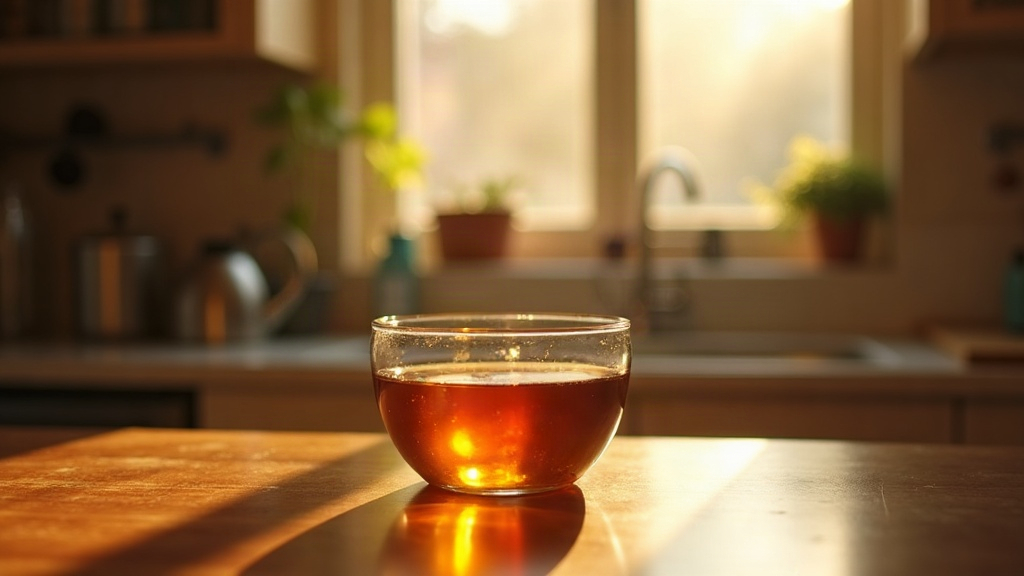
Long before glucose monitors existed, home cooks reached for simple pairings like Biblical drink (oil)/ Honey blend to flavor everyday meals. This page looks at that kitchen history and how everyday meal habits are talked about today — alongside a reminder to keep working with the healthcare provider who already knows your history.
Anyone who pays attention to their blood sugar knows the day has its own rhythm. None of this replaces medical guidance — it’s simply the routine many people quietly live with, and a reason to keep talking things through with the doctor who follows your care.
Energy climbs, then drops hard by mid-afternoon, leaving many people reaching for coffee or a nap just to get through the rest of the workday.
Some mornings start heavy before the day even begins, making the first cup of coffee feel less like a treat and more like a requirement.
One article says avoid carbs, another says avoid fat, a neighbor swears by a different rule entirely — sorting through it all is exhausting on its own.
Deciding what goes on the plate three times a day, every day, can start to feel like a job nobody applied for.
A lot of kitchen wisdom gets passed around without much thought. Here are three common ideas worth a second look — and a reminder that any real change to your eating pattern is worth discussing with your own doctor first.
All carbohydrates behave the same way once they’re on the plate.
Carbohydrates come from many different foods — bread, beans, root vegetables, fruit — and they are not interchangeable just because they share a category name.
Fruit is something people watching their sugar should avoid altogether.
Fruit has long been part of everyday meals across cultures; how it’s included in a meal is a personal conversation to have with a doctor or dietitian, not a blanket rule.
“Diabetic food” is a special separate category you have to shop for.
Most traditional, home-cooked meals were built from whole ingredients long before packaged “diabetic” labels existed at all.
None of the following is medical instruction — it’s a description of meal habits some people find easier to build a routine around. Always check with your doctor before changing your diet or daily routine in any meaningful way.
Some traditional meals started with vegetables and only later added the starchier parts of the plate, simply as a matter of how courses were served.
Meals eaten slowly, in courses, over conversation, look very different from a meal eaten standing at the counter in five minutes.
A short walk after a meal was, in many households, simply what people did — a habit tied to routine rather than to any specific health claim.
In many Mediterranean and Middle Eastern kitchens, olive oil and honey were kept side by side and often combined — drizzled over warm bread, stirred into porridge, or offered to guests as a gesture of hospitality. This pairing shows up in old texts and older family recipes, not as medicine, but as a staple flavor in the everyday pantry, passed down the way a grandmother’s recipe box gets passed down: by memory, taste, and repetition at the table.
Long before nutrition labels existed, cooks relied on tradition, taste, and hospitality to decide what belonged on the table — Biblical drink (oil)/ Honey blend was simply part of that everyday kitchen story.
A noticeable, lasting change in how well you sleep is worth mentioning at your next appointment, rather than sitting with it quietly.
If your energy through the day feels different from what's normal for you, that's useful information for the professional who already follows your care.
Changes that feel out of the ordinary are best brought up directly with your doctor, who can look at the full picture.
Persistent changes in mood or focus around meals are worth discussing with a healthcare professional rather than working through alone.
Anything on the skin that seems slower to heal than usual is a reasonable thing to bring to your next medical visit.
If keeping up with meals and monitoring feels harder than it used to, that's a conversation worth having with the doctor who knows your history — not something to solve alone.
These are individual accounts shared for illustrative purposes only. They describe personal meal routines, not medical outcomes, and results and experiences vary from person to person. This is not a substitute for guidance from your own healthcare provider.
See the traditional kitchen history in full — and remember, this content is educational only and never a reason to change your diet, routine, or any prescribed treatment without first talking to your doctor.
Advertising Disclosure: This page contains sponsored content and affiliate links. We may receive compensation if you click a link or make a purchase through the links provided on this page. This helps support the content on this site at no additional cost to you.
Content Disclaimer: This content is for educational and informational purposes only. It has not been evaluated by the FDA. Nothing on this page is intended to diagnose, treat, cure, or prevent any disease, and it is not a substitute for professional medical advice, diagnosis, or treatment. Always consult a qualified healthcare professional before making any changes to your diet, routine, or any prescribed treatment.
Results Disclaimer: Individual results and experiences vary. Testimonials and stories shared on this page reflect personal accounts and are not a guarantee of any particular outcome for any other person.
© 2026 · All Rights Reserved